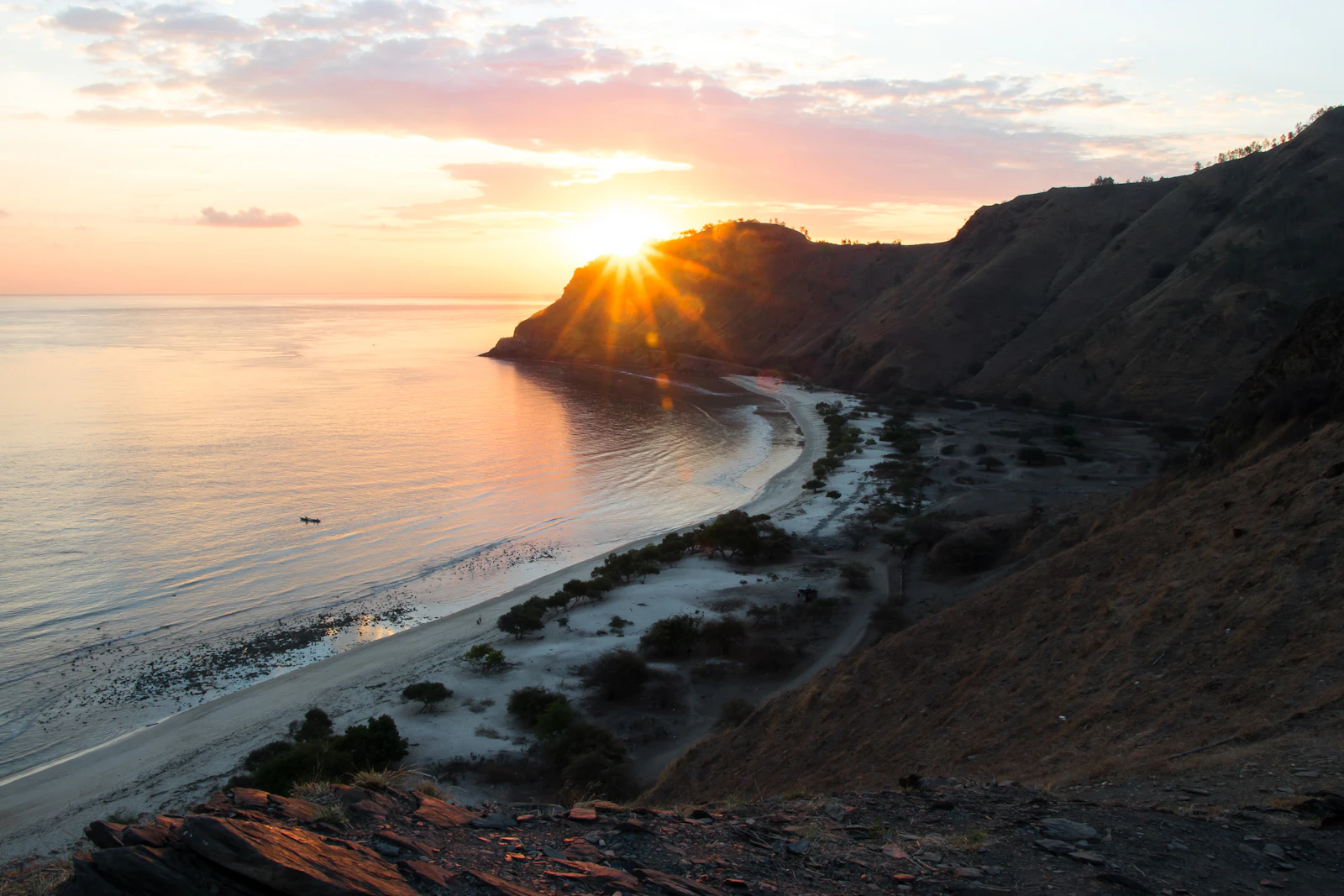
Timor-Leste is one of the least visited countries in Southeast Asia, and it does not work like Thailand or Vietnam. It uses US dollars, public transport is basic, cash matters, and daily costs are higher than many backpackers expect. This guide helps you decide whether the trip fits your budget and travel style, and what to check before you book flights.
This article contains affiliate links. We may earn a small commission if you make a purchase through them, at no extra cost to you.
Do you need a visa for Timor-Leste?
Most visitors arriving by air get a visa on arrival. The official tourism site says the 30-day visa costs USD 30, paid in cash at immigration. It also says every traveler must complete a free online customs e-Declaration, up to 5 days before arrival. Only use the official portal, because third-party sites charge fees.
Have these ready at Dili airport:
- A passport valid for at least six months (the US State Department says six months beyond arrival)
- Proof of onward or return travel
- Accommodation details
- USD cash in notes larger than $1
- Your e-Declaration QR code
Rules differ by passport. Visa-exemption deals exist for some nationalities. For example, reports say EU passport holders can stay 90 days without a visa, and Indonesia and Laos have 30-day waivers. Do not assume that applies to you. Check the Timor-Leste embassy or immigration source for your passport.
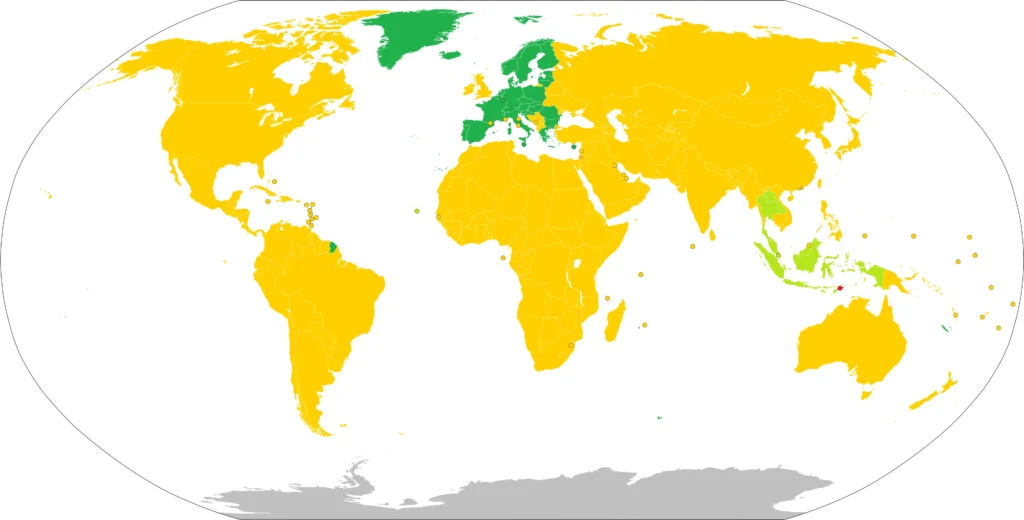
Extensions are possible, but sources disagree on the detail. The US State Department says the visa on arrival can be extended by another 30 days at the Ministry of Interior in Dili. Other visa agencies mention stays of up to 90 days in total. Ask immigration in Dili before you plan anything long.
The catch is the land border. The US State Department says visas on arrival are no longer available at the Indonesian land border. You need a Visa Application Authorization in advance, and the closest Timor-Leste consulate is in Kupang. Treat the overland route as something to arrange ahead, not something to improvise.
How much does a trip to Timor-Leste cost?
Timor-Leste is not a cheap backpacking country. It’s surprisingly expensive for Southeast Asia. Imported goods, limited tourism infrastructure and the use of US dollars all push prices up. Food and microlets are cheap. Rooms, hired drivers and diving are not.
There is no official cost data, and traveler sources disagree. Backpacker budgets in the sources I checked run from roughly $35 to $70 a day, and mid-range from about $100 to $150. Treat the table below as ranges from traveler guides and operator sites, not fixed prices.
| Item | Budget | Mid-range |
|---|---|---|
| Accommodation in Dili | Dorm about $12 to $18, or basic room from about $20 to $30 | Roughly $45 to $100 for a hotel with air conditioning |
| Accommodation outside Dili | Guesthouses and homestays, often $10 to $45 | Limited choice, book ahead |
| Local meals | About $2 to $5 | More at restaurants aimed at expats |
| Microlet in Dili | About $0.25 a ride | Taxis, often $2 to $5 (agree the price first) |
| Bus Dili to main towns | About $5 to $12 | Car with driver, quoted from about $60 to $150 a day |
| Entry to sights | Mostly free, a few up to about $2 | Guides about $20 to $30 a day in the districts |
Where you spend decides your budget. Dili hostels and microlets keep costs low. A hired 4WD with a driver, or a dive package on Atauro (one source quotes about $40 a dive), can double your daily spend. If you can’t afford a driver, stick to places reachable by bus.
Plan for cash. One local guide says breaking a $50 or $100 note is hard outside Dili, and the visa guidance says there are no foreign exchange outlets at the airport or seaport. Withdraw what you need while you are in Dili.
Getting there and getting around
Flights
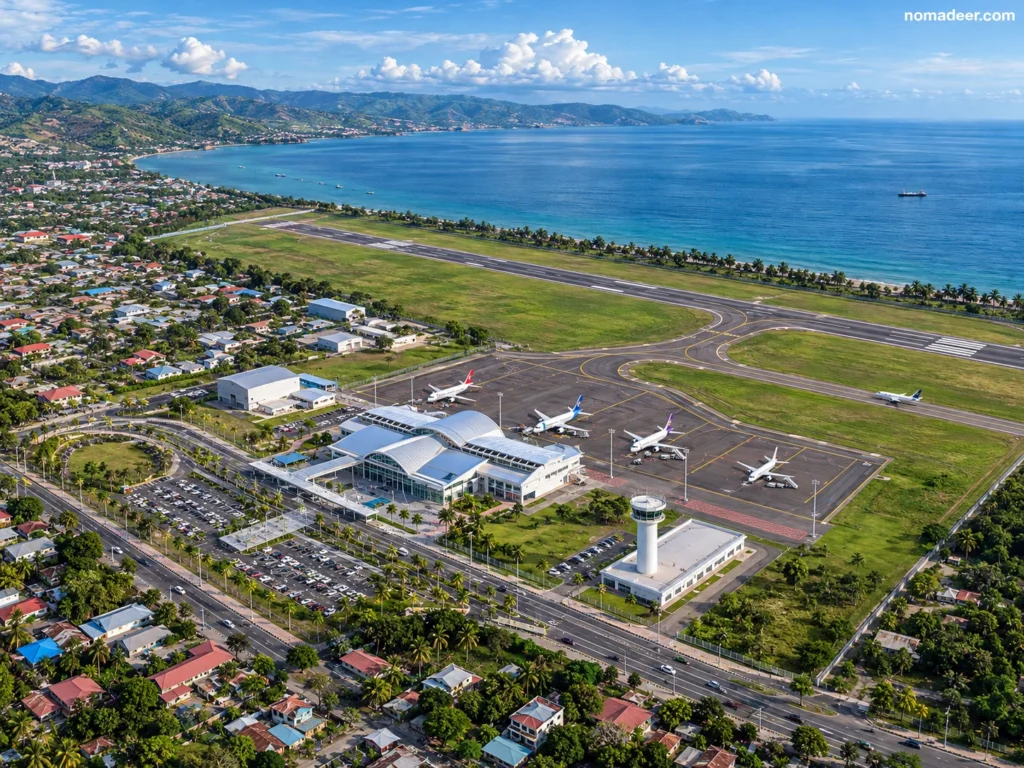
Most visitors fly into Dili via a regional hub. Bali (Denpasar) is one of the most convenient options, with regular flights operated by Aero Dili and Citilink. Darwin and Kuala Lumpur are other possible gateways. Flights can be expensive compared with other Southeast Asian routes, so compare dates and book ahead where possible. You can compare flights from Bali to Dili on 12Go.
Overland from West Timor
Buses run between Kupang or Soe in Indonesian West Timor and Dili. A 2024 traveler report paid 350,000 IDR from Soe, and several bus companies serve the route. It is cheaper than flying, but you need the pre-arranged visa authorization mentioned above. Good choice if you are already in Nusa Tenggara and have time. Skip it if you need certainty on a tight schedule.
Getting around
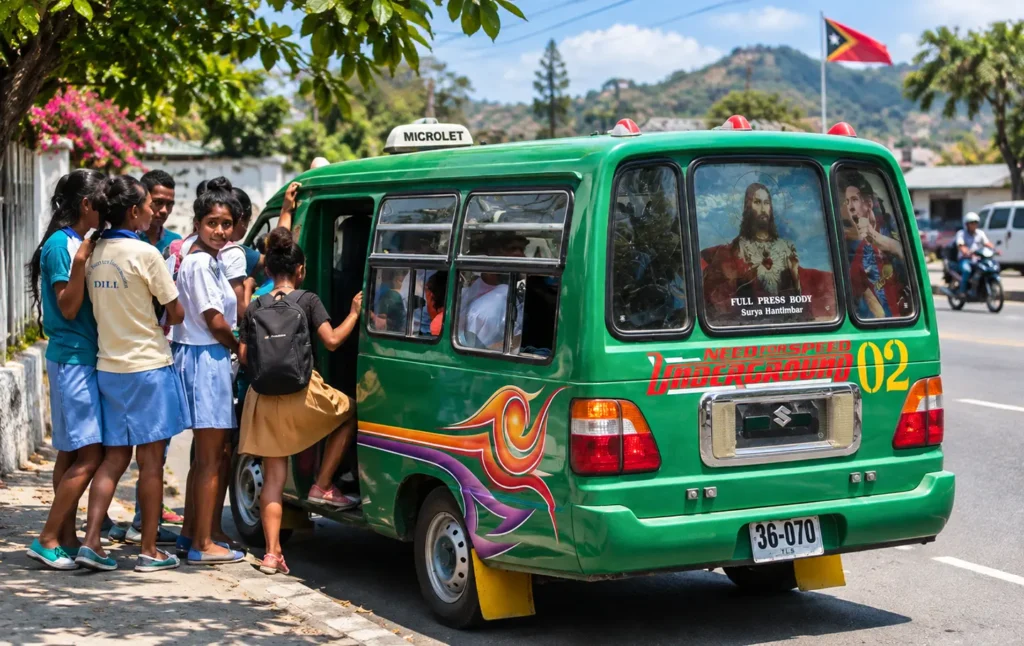
In Dili, microlets (shared minibuses) cover most routes for a few cents, and taxis are fine if you agree the fare first. Between towns, shared buses go to places such as Baucau and Maubisse, but public transport is slow and crowded. The US State Department describes it as overcrowded and below international safety standards.
For the mountains or the far east, a car with a driver is the realistic option. Roads are rough and conditions change quickly. A driver also helps with language, since little English is spoken in the districts.
Internet, eSIMs and other essentials
Mobile coverage is reasonable in Dili and larger towns, but expect patchy reception in the mountains and more remote parts of Timor-Leste. Local prepaid SIM cards are cheap and available in Dili, although you’ll need your passport to register one. If you’d rather arrive connected, you can get a Timor-Leste eSIM from Saily before departure. It’s more convenient than finding a local SIM on arrival, but generally more expensive, especially for longer trips. Check that your phone supports eSIMs before buying.
Download offline Google Maps, a translation app and your accommodation details before leaving Dili. A power bank is worth carrying on longer journeys, and don’t rely on having mobile reception when navigating rural roads. Keep some US dollars in small denominations handy, too, since card payments aren’t always an option.
Is Timor-Leste safe for travelers?
Most independent travelers visit without serious problems, but official advice is cautious. Australia’s Smartraveller says to exercise a high degree of caution. The US State Department lists Timor-Leste at Level 2, exercise increased caution. It advises keeping a low profile, avoiding demonstrations and crowds, and being careful walking or driving at night. Canada also advises a high degree of caution and warns that the political situation can turn tense with little notice, especially around elections.
The practical risks are mostly about roads, health and remoteness:
- Roads and night travel: avoid rural roads after dark.
- Healthcare: it is limited. Smartraveller notes there is no hyperbaric chamber in the country, which matters if you dive. Serious injuries may need evacuation, so travel insurance with medical evacuation is worth the cost.
- Disease: Smartraveller says insect-borne diseases are common and that rabies has been detected in Timor-Leste and West Timor. Avoid stray dogs, and see a travel clinic well before departure for current vaccine and malaria advice.
- Natural hazards: it is an active seismic zone, and cyclones and severe weather occur.
- Water: ask locally before swimming, because crocodiles are a known concern around Dili’s waters, and do not drink untreated tap water.
- Culture: the country is socially conservative, so dress modestly in town and keep swimwear for the beach. Smartraveller also notes that same-sex relationships are not legally recognised.
Worth it if you are comfortable with limited services and plan ahead. Skip it if you need easy medical access, reliable public transport or rigid timetables.
Where to go and how long to stay
Dili is the base for arrival, visa matters, cash and supplies. Cristo Rei, the waterfront and the markets are worth a day or two, but most travelers don’t need much longer.
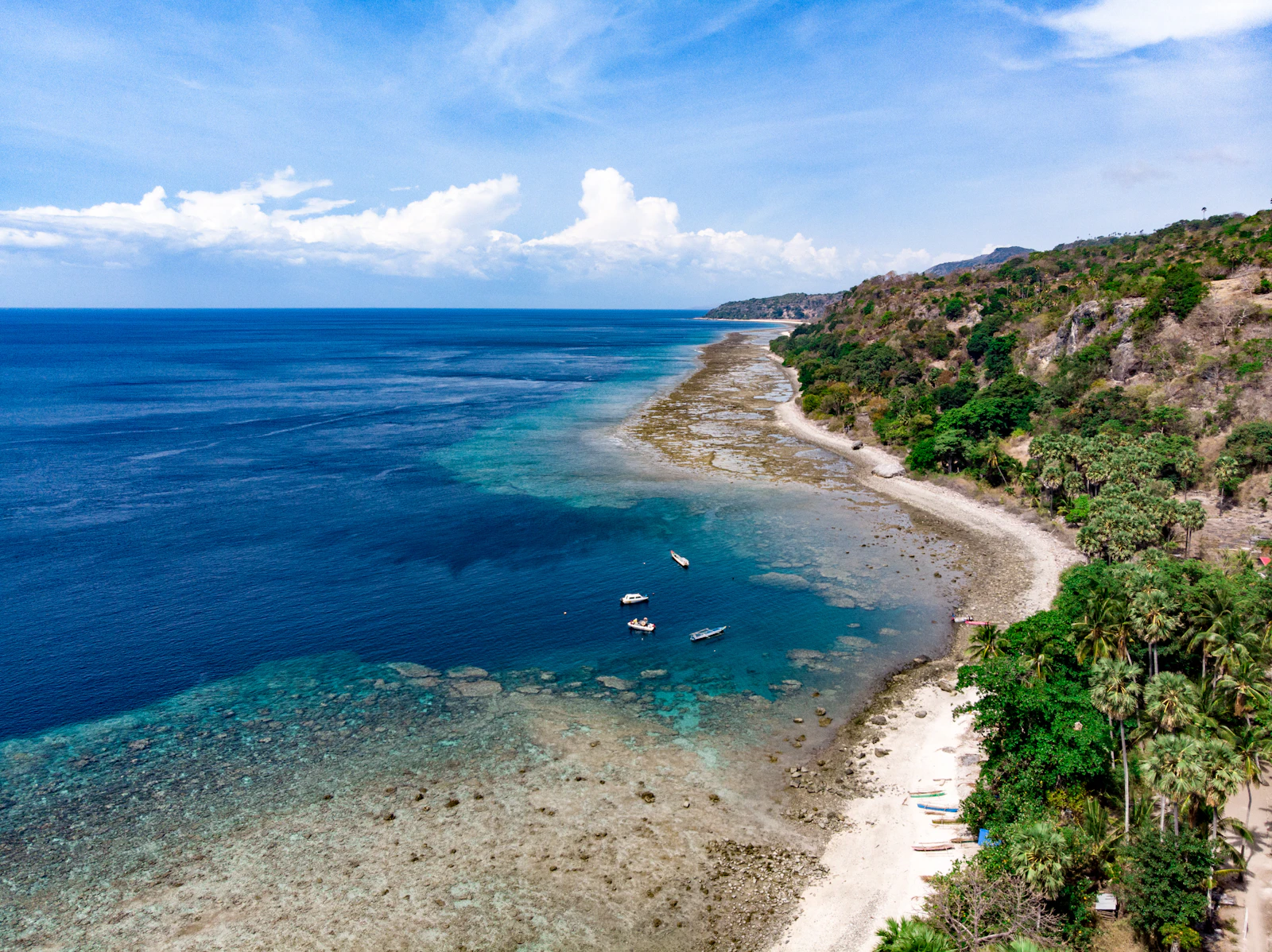
Atauro Island is the clearest reason to come, especially for snorkeling and diving. Plan two to four nights. Ferries from Dili run on set days, and sources disagree on schedules and fares (roughly $4 to $15 one way). Speedboats cost more. Confirm the current timetable and book your accommodation before you cross, because beds are limited, especially on weekends.
Other options by public transport or driver:
- Maubisse and Mount Ramelau: mountain scenery and a sunrise trek with a local guide ($10 to $20). Allow two to three days.
- Baucau: a reachable town east of Dili, about $5 by bus.
- Jaco Island: a beach destination in the far east that is easier with a driver.
A realistic first trip is five to ten days: Dili, Atauro, then one mountain or east coast trip. If you are building a wider route, browse our Asia destination guides for places to combine it with.
Best time to visit
Dry season is the safer window for road access and sea conditions. One travel publication warns that roads to places like Maubisse and Ramelau can become impassable in the wet season, which it puts at December to May. Tour operators such as Intrepid run their scheduled departures between May and October, which also points to the drier months. Check current weather forecasts and cyclone warnings before you book.
The wet season is not a reason to cancel, but it is a reason to build slack into the plan. Delays to buses, ferries and flights are more likely, and mountain trips are the first to suffer.
FAQ
What currency does Timor-Leste use?
The US dollar. Bring clean, undamaged notes in small and mid-size denominations. Withdraw cash in Dili before heading out of town.
What languages are spoken?
Tetum and Portuguese are the official languages. English is limited outside Dili and the main hotels, so a few Tetum phrases and a translation app help.
Can I get a SIM or eSIM?
Local SIMs are sold in Dili, but we recommend you get an eSIM ahead of time with e.g. Saily. Check your phone’s compatibility and the operators’ current offers before you arrive. Download offline maps for the trip.