
Chiang Mai is cheap by international standards, but the gap between a hostel-and-street-food trip and a comfortable one is wide. This guide breaks Chiang Mai travel costs into three daily budgets, shows which choices move the total most, and helps you decide how much to plan for before you book flights or a bed.
What drives your Chiang Mai budget
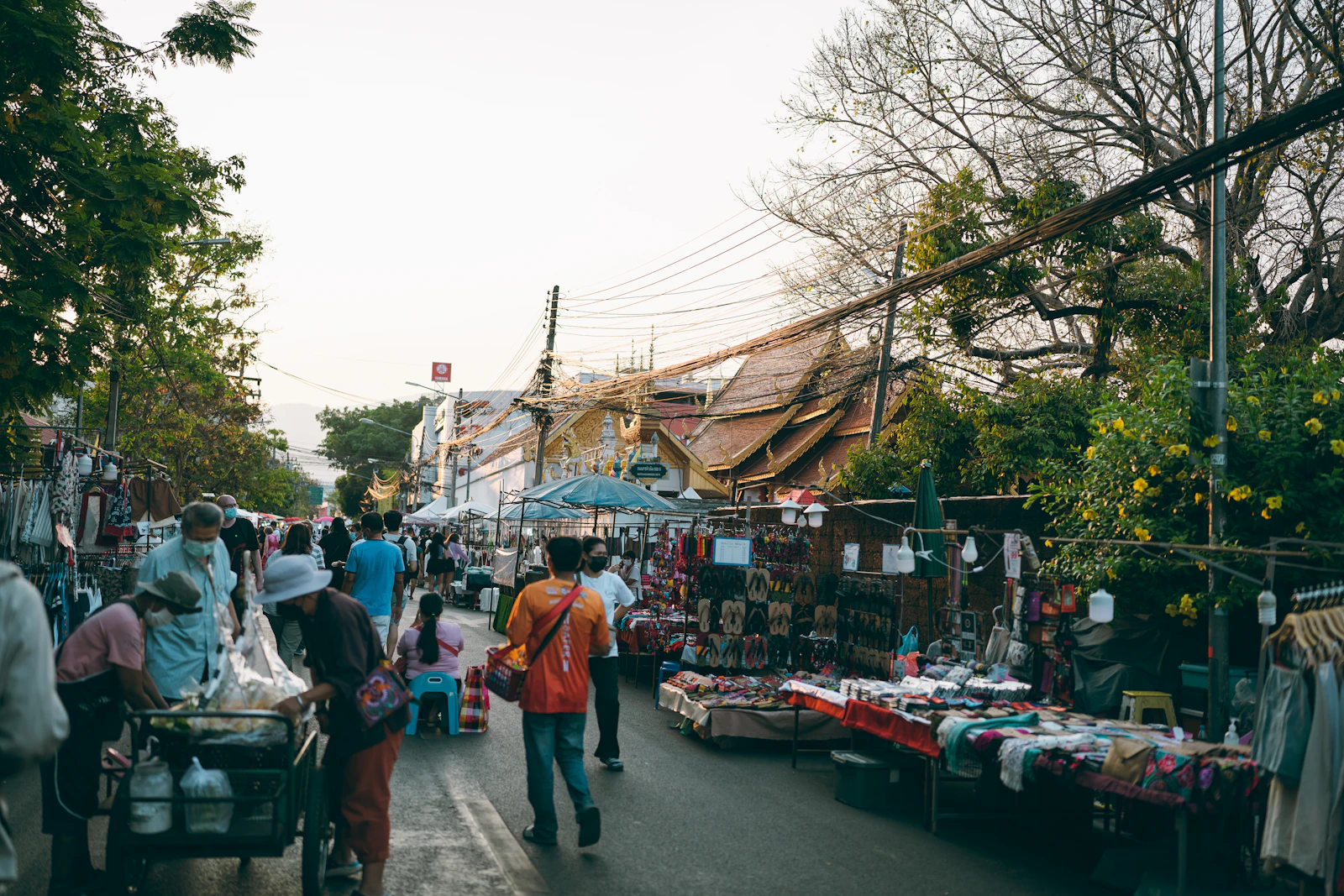
Four choices decide most of your spending. Food is not one of the big ones.
- Where and how you sleep: a dorm bed, a simple guesthouse room and a boutique hotel sit in completely different price brackets.
- How you get around: shared red trucks (songthaews), Grab rides and a rented scooter have very different daily costs and risks.
- Air-con and season: a fan room is cheaper, but in hot months many people find air-con worth paying for. Peak season pushes room prices up.
- Connectivity and workspace: remote workers who need a reliable desk and a data plan spend more than a short-stay backpacker.
Published estimates give a useful frame. A 2026 budget article from hotel brand Meliá puts a frugal day at about 700 to 1,200 baht, a mid-range day at about 1,900 to 2,500 baht, and a comfortable trip at 5,500 baht or more per day. These are one publisher’s estimates, not official figures, so treat them as starting points and check them against current listings for your dates.
Accommodation costs
This is usually your biggest line. For the budget end, Meliá lists Old City dorm beds at roughly 150 to 350 baht a night and simple guesthouse rooms at about 400 to 850 baht. The hostel price-comparison site Hostelz reports averages of around US$4 for a dorm bed and US$22 for a private room, based on its own listings. Those averages lean toward the cheapest properties, so expect to pay more at well-reviewed, social hostels.
For mid-range, Meliá suggests a boutique hotel or well-reviewed guesthouse at roughly 1,400 to 2,800 baht a night. Prices vary a lot by date, so spot-check a booking platform for your actual dates before you settle on a number.
Monthly stays work differently. Many guesthouses and apartments quote a lower per-night rate for a month or more, but prices differ by area, building and season, and we could not verify a single reliable monthly figure. Browse current listings and ask for a monthly quote directly. Our guide to where to stay in Chiang Mai explains which areas suit which budget and travel style.
Good choice if you are staying under two weeks: a hostel dorm saves money and makes meeting people easy. Skip it if you work online all day: noise and shared rooms get tiring fast, so a private room is usually worth the extra spend.
Food and drink costs
Eating is where Chiang Mai is genuinely cheap. Meliá puts a street food meal at about 40 to 75 baht, while a sit-down dish at a local restaurant runs about 150 to 220 baht. Cafes and Western-style restaurants usually cost more than either, especially in tourist and nomad-heavy areas.
The practical tip is to mix. Markets and street stalls for most meals, a cafe when you want a work session or a proper coffee. Bringing a reusable bottle and refilling from filtered water stations also trims small daily costs.
Carry cash. Cafes, malls and many restaurants take cards or QR payments, but markets, street vendors and songthaew drivers generally want small notes and coins. ATMs in Thailand charge a foreign card fee per withdrawal, so fewer, larger withdrawals usually cost less. Check your own bank’s fees as well.
Transport costs
Chiang Mai has no metro, so you choose between shared trucks, ride-hailing and your own wheels.
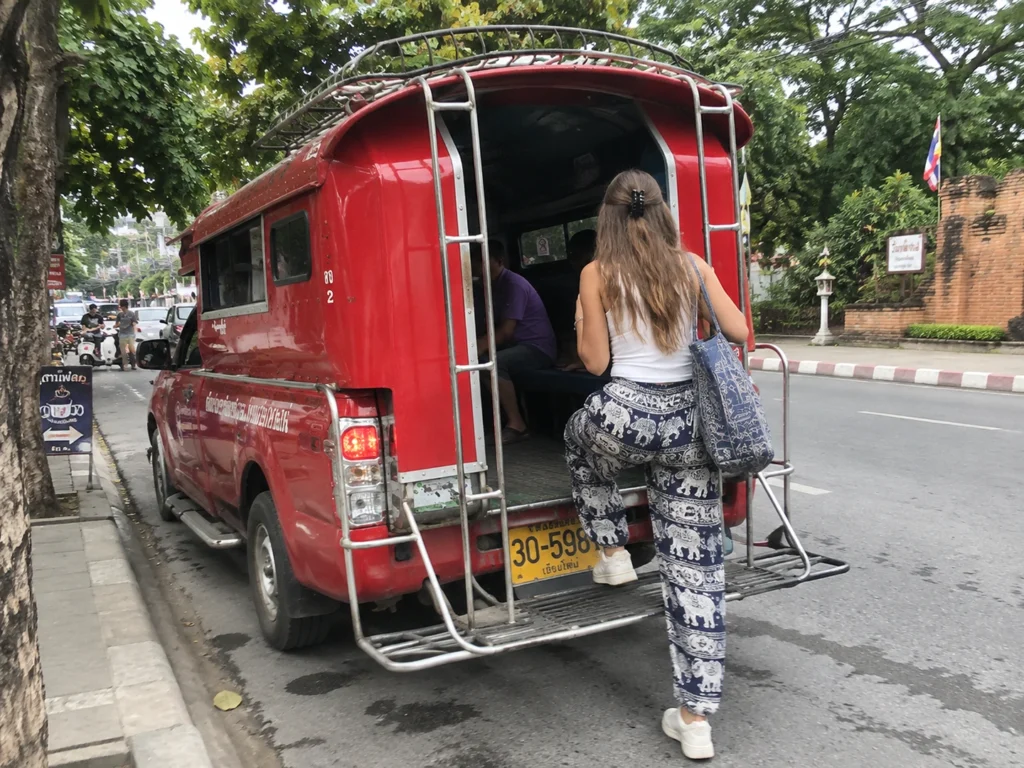
- Songthaew (red truck): About 30 to 40 baht for a typical ride within the city. Agree the fare before you get in if it is not a standard route.
- Grab: About 90 to 150 baht per ride. This is the easier option at night, in the heat or when you carry a laptop bag. Longer distances or airport might cost extra.
- Flights in and out: prices change constantly by route and season, so check airline or search-engine fares for your own dates rather than relying on a quoted average.
For route planning, the Chiang Mai travel guide covers how the city’s transport works in more detail.
Scooter rental: cheap on paper, with caveats
A scooter is the most flexible way to see the city and the mountains, and for many people it works out cheaper than daily Grab rides. Rental shops usually quote a daily rate and a lower per-day rate for a monthly rental. Rates vary by shop, bike and season, so get two or three current quotes in person or by message and add fuel to your total.
The catch is the cost beyond the rental fee:
- Deposit: some shops ask for cash or a passport. Many travelers prefer a cash deposit and never hand over their passport.
- Damage claims: photograph the bike from every angle before you leave, including existing scratches.
- Licence and insurance: riding legally requires the correct licence, and travel insurance policies often have conditions about motorcycle cover. Read yours before you ride, and check Thai official sources for current licence rules.
Read more about renting a scooter in Chiang Mai here.
If you are not an experienced rider, budget for Grab and songthaews instead. Road accidents involving tourists on scooters are a real risk, and a medical bill can wipe out a month of savings.
Connectivity, coworking and extras
A tourist SIM or eSIM is a small cost compared with accommodation, but plans and prices change often. Compare current data plans from the major Thai carriers and eSIM providers for the number of days you will stay, and check which one covers your phone model.
Coworking is a bigger decision for remote workers. Day passes suit people who only need occasional quiet, while monthly memberships make sense if you work from the same place every day. Prices vary by space and neighbourhood. Check each coworking space’s own site for current rates, and see our Chiang Mai digital nomad guide for how nomads usually split their time between cafes and coworking.
Other extras to plan for: day trips and activities (entrance fees and tour prices change, so verify them before you book), laundry, and in smoky season an air purifier or good masks if you plan to stay indoors for long periods.
Sample daily budgets
The table below combines the published estimates above. It is a planning tool, not a promise. Your own total depends on choices like scooter versus Grab and air-con versus fan.
| Budget tier | Daily total (approx.) | Typical accommodation | Food | Getting around |
|---|---|---|---|---|
| Shoestring | 700 to 1,200 baht | Dorm bed or simple guesthouse | Street food and markets | Songthaews and walking |
| Mid-range | 1,900 to 2,500 baht | Well-reviewed guesthouse or boutique hotel | Local restaurants and cafes | Mix of Grab and songthaews |
| Comfortable | 5,500 baht and up | Upscale hotel or serviced apartment | Restaurants and hotel dining | Grab or private driver |
Source: ranges are from Meliá’s 2026 Chiang Mai budget article, one publisher’s estimates. They do not include flights, insurance, visa costs or your monthly coworking membership.
Who each tier suits: shoestring works for short stays and travelers who are comfortable in hostels. Mid-range suits most longer stays and remote workers who need a quiet room and a reliable desk. Comfortable makes sense if you value space, service and easy logistics over saving money.
Seasonal cost swings
Chiang Mai prices follow the seasons. The cool, dry months from about November to February are the busiest, and rooms cost more, especially around festival weeks such as Loy Krathong and Yi Peng, whose dates change every year. Book early for those weeks.
The smoky season, often described as roughly February to April, can bring poor air quality, and the exact timing and severity change each year. Prices may soften, but the trade-off is real: many people stay indoors or leave the city. Check live and historical readings on IQAir’s Chiang Mai page before booking, and do not treat low prices as a reason to ignore your health. Songkran in mid-April is another busy and wet period.
The rainy season, roughly May to October, tends to bring the lowest prices. Travel search engine KAYAK notes that June and September are typically the cheapest months for Chiang Mai hostels. The trade-off is daily rain, which makes scooter riding riskier and day trips less predictable.
FAQ
Is Chiang Mai cheaper than Bangkok or the islands?
Generally, yes for accommodation and food, although we did not find a reliable like-for-like comparison to quote. Islands tend to cost more for rooms and transfers, and Bangkok offers a wider spread of prices. Compare real listings for your dates.
How much should I budget for a week versus a month?
A week is mostly nightly room rates plus daily spending. A month often brings lower nightly rates but adds fixed costs such as coworking, a data plan and laundry. Multiply your tier’s daily range, then add a buffer for extras.
Do I need cash?
Yes. Carry small notes for markets, songthaews and street vendors, even if you pay by card or QR elsewhere.