

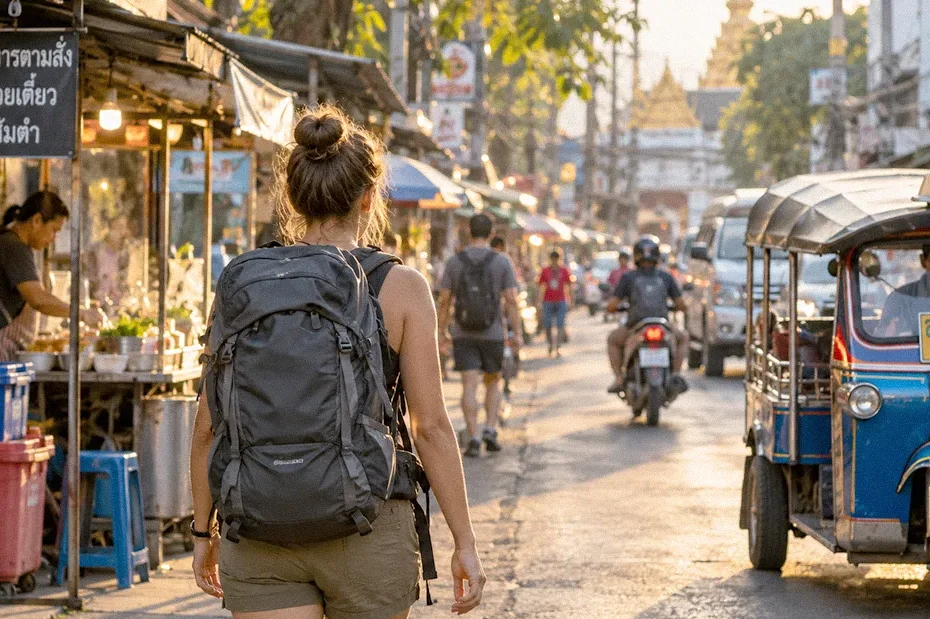
Traveling with no money is rarely about spending literally nothing. The realistic version is learning which costs you can remove, which ones you can exchange for time or work, and which ones are worth paying because they keep you safe and flexible.
How to travel with no money: what it actually looks like
The useful question is not, “Can I travel for zero dollars?” It is, “How much cash do I really need if I change the way I travel?” Once you look at it that way, the options become much clearer.
Accommodation might be exchanged for house sitting or a few hours of work. A flight might be covered with points you already have. Food costs can fall if you have a kitchen. Transport gets cheaper when you stay in one region instead of flying between countries every few days.
But every saving has a tradeoff. Free accommodation may mean looking after a dog. A work exchange takes hours out of your day. A cheap overnight bus costs you sleep. Staying outside the center can save money but add transport costs. Good budget travel is about choosing the trades that suit you, not trying to eliminate every expense.
Start with a small emergency buffer
Leaving home with exactly zero money gives you almost no room for mistakes. A cancelled ride, unsafe hostel, lost bank card, illness, visa problem, broken phone, or last-minute route change can quickly turn a cheap trip into a serious problem.
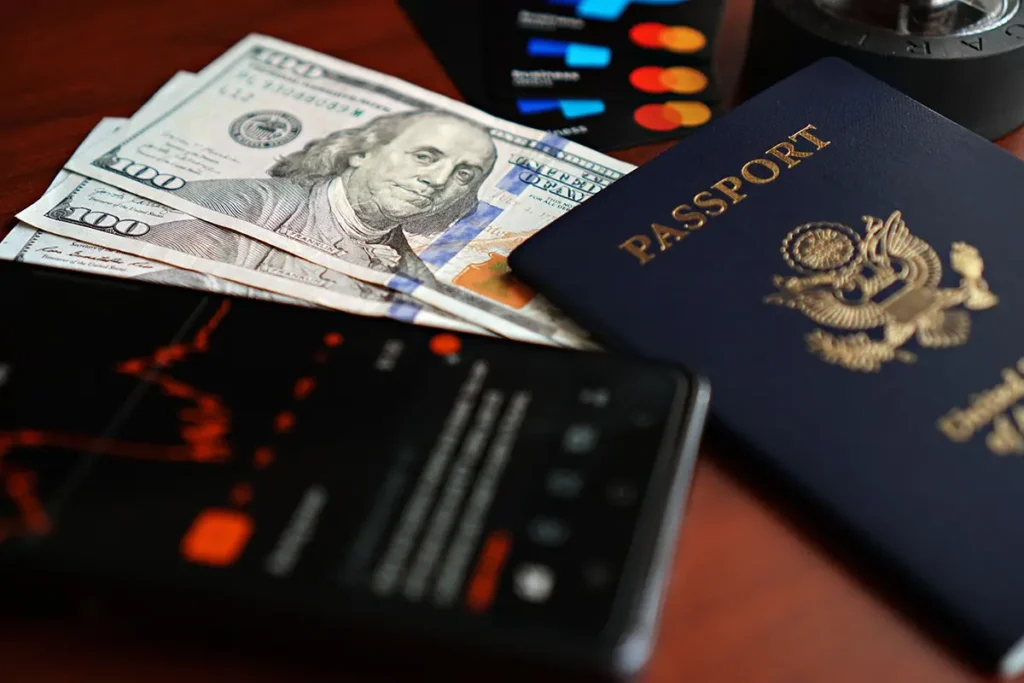
Keep emergency money separate from your daily travel budget. It should be enough to deal with basic food, phone access, emergency accommodation, necessary transport, medication, and a change of plans. The amount depends on the destination, but the principle is simple: being able to leave a bad situation is more important than proving you can travel on the smallest possible budget.
Cut the biggest travel costs before worrying about small expenses
Most travelers do not run out of money because they bought one coffee. They run out because their route is expensive. Accommodation, long-distance transport, food, and activities usually matter far more than tiny purchases.
Choose a destination where your budget works
A low-cost travel style becomes much easier when the destination itself is affordable. A traveler trying to stretch limited savings will usually have more options in a city with inexpensive public transport, local food, hostels, and monthly accommodation than in a destination built around resorts and rental cars.

Long-stay travelers should also think beyond headline prices. Internet access, visa rules, neighborhood choice, transport, heat, air quality, and the cost of getting around all affect what you really spend. If you are choosing a longer base, our guide to the top digital nomad destinations in the world compares several cities with budget and day-to-day practicality in mind.
Move less often
Slow travel is one of the strongest budget tools available. Staying somewhere for three weeks instead of three nights can mean fewer buses, fewer airport transfers, fewer booking fees, more time to find cheap local food, and sometimes better weekly or monthly accommodation rates.
Overland travel can also make sense when time is more flexible than money. Buses and trains are not automatically cheaper than flights, so compare the full cost, but crossing a region slowly can remove repeated airport trips and baggage charges. For route ideas, Nomadeer also has a collection of overland travel routes.
Build your trip around one affordable base
Constant movement looks exciting on a map, but it is expensive. A better low-cash plan is often to choose one city or region, stay longer, and make occasional day trips. You learn where the cheap food is, understand the transport system, meet people, and stop paying the tourist learning tax every few days.
Neighborhood choice matters too. A slightly more expensive room within walking distance of food, work, and social life can be cheaper overall than a bargain room that requires four paid rides every day. If Bali is on your shortlist, for example, our Canggu vs Ubud comparison shows how choosing the right base changes the experience.
Best ways to travel with no money or very little cash
Use work exchanges carefully
A work exchange usually swaps a set amount of help for accommodation and sometimes meals. Common arrangements include hostel help, farm work, language practice, reception work, gardening, social media help, or assisting with guest activities.

This can remove a large part of your daily spending, but it is not really free. You are paying with your time. Some platforms also charge membership fees. Before accepting anything, check the expected hours, days off, sleeping arrangements, meals, reviews, location, transport, and exactly what work you are agreeing to do.
Also check immigration rules. A tourist status does not automatically allow every kind of unpaid work or volunteering. Rules differ by country, so confirm them before building a trip around a work exchange.
House sit instead of paying for accommodation
House sitting can work very well for slow travelers. In exchange for staying in someone’s home, you may look after pets, water plants, collect mail, or handle other agreed responsibilities.
The catch is that you are responsible for someone else’s home and often their animals. Your sightseeing schedule may need to fit feeding times, walks, medication, or other routines. Popular house sits can also be competitive, especially if you have no reviews yet.
It is a good choice if you like staying in one place and are genuinely comfortable with the responsibilities. Skip it if you want to disappear on spontaneous multi-day trips.
Use hospitality networks without treating hosts like free hotels
Hospitality exchanges can remove accommodation costs and create a more social trip. They work best when both sides see the stay as a cultural exchange rather than a transaction.
Read profiles and reviews carefully. Have a backup plan. Tell someone where you are staying, especially when traveling alone. Most importantly, contribute something. Cook a meal, share your skills, help around the home, or simply spend time with your host when appropriate.
Stay in hostels with kitchens
Sometimes paying a little for the right hostel is better than chasing completely free accommodation. A hostel with a kitchen, free drinking water, breakfast, lockers, laundry facilities, and a central location can remove several other costs at once.
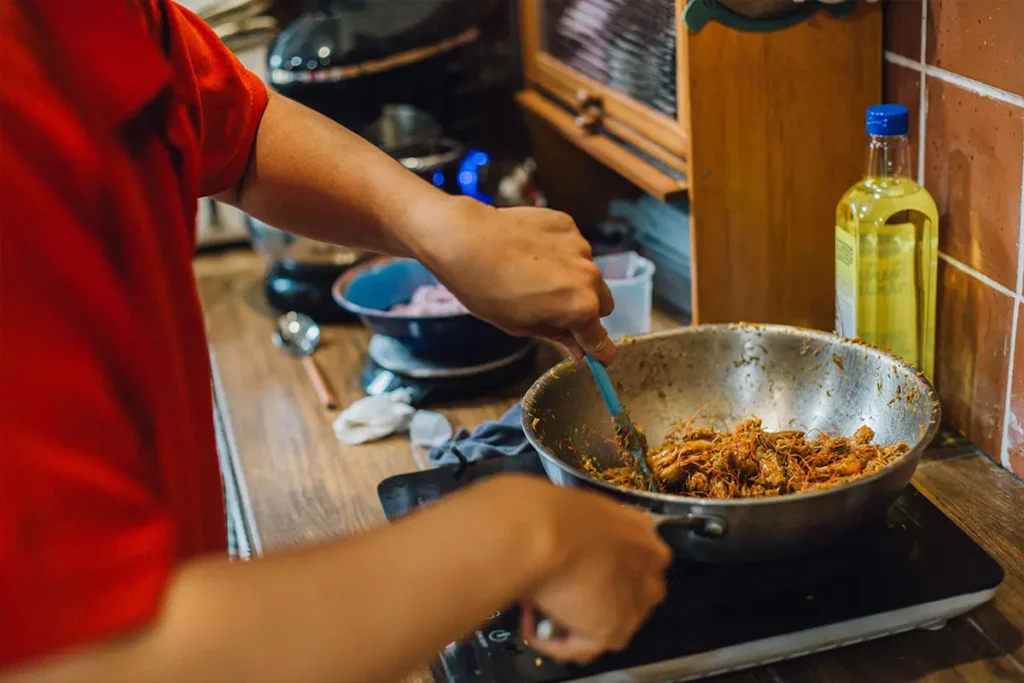
Large dorms are often cheaper, but do not choose purely by bed price. A badly located hostel can leave you paying for taxis. A party hostel can destroy your sleep if you need to work. A kitchen you actually use can be worth more than saving a small amount on the room.
Use points only when they already make sense
Airline miles, hotel points, and card rewards can reduce travel costs, especially for expensive flights. They are most useful when the points come from spending you would have made anyway.
Do not buy things you do not need or carry expensive credit card debt just to earn rewards. Paying interest to earn a supposedly free flight defeats the point. Treat points as a discount on normal spending, not a reason to spend more.
Walk, use public transport, and compare the full price
Walking is one of the few genuinely free forms of transport. Public buses, metro systems, local trains, and shared transport can also be much cheaper than taxis or private transfers.
Do not assume the cheapest option is always sensible, though. Saving a small amount is not worth arriving alone at an unfamiliar station late at night or walking through an unsafe area with all your luggage. Budget for convenience when convenience improves your safety.
Make free activities the default
You do not need a paid attraction every day. Good travel days can be built around walking neighborhoods, hiking, beaches, parks, local markets, public viewpoints, festivals, architecture, street food areas, and museums with free entry periods.

Choose one or two paid experiences you genuinely care about and keep the rest of the trip simple. This works better than trying to do every famous attraction and feeling guilty about the cost.
Earn or exchange value while you travel
Reducing expenses is only half the equation. If you are traveling for months rather than weeks, earning while you go can make the whole plan more sustainable.
Work remotely if you already have a viable income
Remote work can let you stay longer without burning through savings, but do not romanticize it. You still need reliable internet, a chair you can work from, reasonable time zones, quiet enough accommodation, and a legal setup that works for your situation.
Cheap cafes are not always good offices. Wi-Fi fails, calls annoy other customers, and working from a dining chair for six hours gets old quickly. Sometimes paying for a coworking day or a better apartment is the more sensible budget decision because it protects your income.
Sell skills instead of chasing random travel jobs
If you already write, design, edit video, teach languages, develop websites, manage ads, tutor, photograph products, or provide another portable service, keeping existing clients is often easier than finding casual work in every new country.
For longer stays, check local work and visa rules before accepting employment. Do not assume that being paid online, volunteering, or receiving accommodation instead of cash automatically puts you outside local regulations.
Work before the trip if that gives you more freedom later
Travel does not have to begin immediately. Sometimes the best strategy is to spend a few extra months building a buffer before departure. Selling unused belongings, taking extra shifts, freelancing, cutting fixed expenses, or moving temporarily can buy much more freedom on the road.
The goal is not to save an impressive number. It is to reach the point where you can travel without every small problem becoming an emergency.
What not to cut when money is tight
Extreme budget advice can become bad advice when it encourages travelers to remove every safety net. Some expenses deserve a place in the plan even when everything else is stripped back.
Do not skip health preparation just to save money
Research health risks before you leave, especially for longer trips or travel through several climates and regions. Check any recommended vaccines, medications, food and water risks, and local access to healthcare. The WHO travel and health guidance is a useful starting point.
Travel insurance is also worth treating separately from your daily backpacker budget. Read the policy carefully because exclusions, excess amounts, activity coverage, motorcycle rules, trip length, and existing conditions can all matter.
Do not build a trip around illegal shortcuts
Visa overstays, unauthorized work, fare dodging, sleeping somewhere you are not allowed to camp, and ignoring local transport rules can create costs far larger than the amount you were trying to save.
Check entry requirements and local laws before you leave. This matters even more if you plan to work, volunteer, house sit, drive, or stay for several months.
Do not make other people fund your budget
Traveling cheaply should not mean expecting local people, hosts, friends, or charities to subsidize your holiday. If someone hosts you, contribute. If a work exchange expects unreasonable hours, leave rather than accepting exploitation as part of budget travel. If you cannot afford an activity, skip it instead of pressuring somebody else to cover it.
The strongest low-cost trips are usually simple rather than extreme. Stay longer. Carry less. Cook sometimes. Walk more. Choose destinations carefully. Exchange skills where it makes sense. Spend on the things that protect your health, safety, and ability to change plans.
FAQ
Can you really travel with no money?
You can really travel with no money only in unusual circumstances, but traveling with very little money is much more realistic. Accommodation exchanges, hospitality, points, slow transport, cooking, and earning on the road can reduce costs, but documents, food, emergencies, health needs, and transport still require resources.
What is the cheapest way to travel?
The cheapest way to travel is usually to choose an affordable destination, move slowly, stay longer in each place, use low-cost accommodation, cook some meals, and rely on walking or public transport. The exact cheapest method depends on the country and how much time you can trade for lower costs.
How can I travel with no money for accommodation?
You can travel with no money for accommodation by using options such as house sitting, hospitality exchanges, or legitimate work exchanges. Each option comes with responsibilities, and some platforms charge fees, so check the full arrangement rather than assuming the stay is completely free.
Can I work while traveling without a work visa?
Whether you can work while traveling without a work visa depends on the country, your nationality, the type of work, and your immigration status. Check official immigration rules before accepting paid work, remote work, volunteering, or a work exchange because rules differ widely.
How much emergency money should I have before traveling?
How much emergency money you should have before traveling depends on your destination and trip style, but it should cover the problems most likely to force a sudden change of plans. Think about emergency accommodation, food, phone access, necessary transport, medication, and getting somewhere safer if your original plan fails.
Is traveling with almost no money safe?
Traveling with almost no money can be safe when you keep an emergency buffer and avoid sacrificing health, legal requirements, secure accommodation, or safe transport just to reduce costs. A budget should make the trip simpler, not remove your ability to leave an uncomfortable or dangerous situation.