

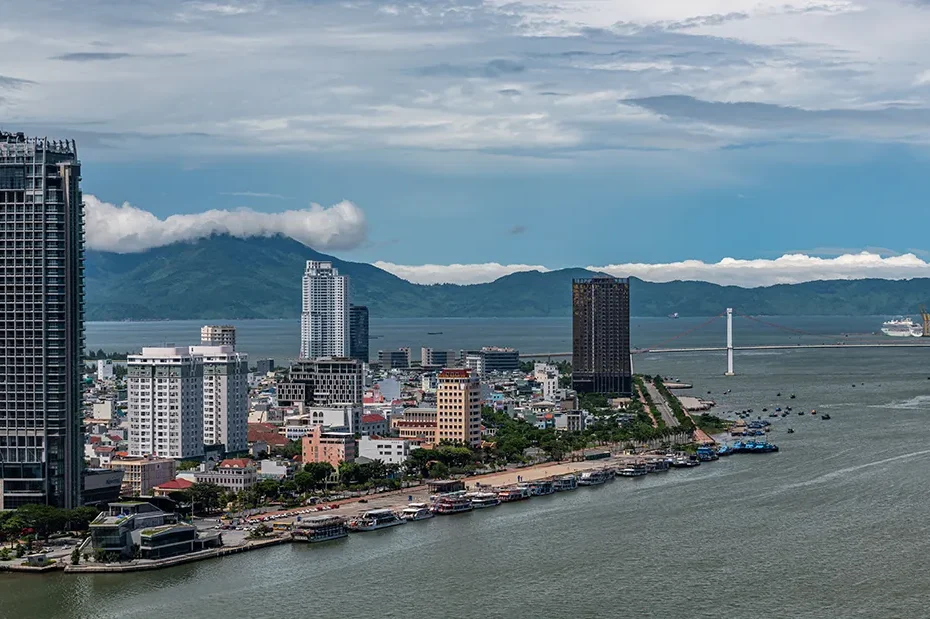
Da Nang makes a strong remote-work base if you want beach access, manageable costs, good everyday infrastructure, and enough coworking to stay productive. The catch is that its nomad scene is smaller than Chiang Mai or Bali, neighborhood choice matters, and Central Vietnam’s wet season can change the experience for months at a time.
Da Nang digital nomad life: is it worth it?
Da Nang is a good choice for digital nomads who want a city that feels easy to live in without giving up the beach. You can base yourself close to My Khe, find an apartment within a short ride of coworking spaces, eat locally without spending much, and still have supermarkets, gyms, cafes, ride-hailing, and an international airport nearby.
It is less convincing if your priority is a huge remote-work community, constant networking, or nightlife every night. Chiang Mai has a deeper nomad ecosystem, while parts of Bali offer a much denser social and wellness scene. Da Nang feels more like a functioning Vietnamese city that happens to work well for remote workers.
Plan around the weather too. The wetter part of the year brings heavier rain and a higher risk of storm disruption in Central Vietnam, especially around September to November. If beach time is a major reason for choosing Da Nang, a wet-season stay can feel very different from a dry-season one.
Da Nang digital nomad costs in 2026
A realistic solo budget depends mostly on accommodation and how often you eat in international restaurants. For planning purposes, around 23 million to 35 million VND per month is a useful comfortable range for a remote worker who wants a private place, regular cafe or coworking time, local food mixed with Western meals, and normal social spending. You can spend less with a simple room and mostly local food, while short-term beach apartments and frequent Western dining can push the total much higher.
| Expense | Useful monthly planning range | What changes it |
| Furnished room or apartment | 8.5 to 18 million VND | Lease length, beach proximity, building quality, season |
| Food and coffee | 5 to 8 million VND | Local meals versus Western cafes and restaurants |
| Coworking | 0 to 3.5 million VND | Cafe working, day passes, or full monthly membership |
| Local transport | 1 to 2.5 million VND | Walking, Grab use, or scooter rental |
| Phone, internet and utilities | 1 to 2.5 million VND | Air conditioning use and what your rent includes |
| Gym, social life and extras | 1.5 to 4 million VND | Lifestyle and weekend plans |
Treat these as planning ranges, not fixed prices. Monthly rentals are especially inconsistent. A local lease, serviced apartment, hotel deal, and one-month online rental can quote very different prices for similar rooms. Electricity can also matter if you use air conditioning heavily.
Da Nang vs Chiang Mai and Bali on cost
Da Nang usually sits in the same broad value bracket as Chiang Mai for a practical remote-work lifestyle, although housing and food choices can easily change which city comes out cheaper for one person. The bigger difference is lifestyle. Chiang Mai gives you a mature coworking and cafe ecosystem but no beach.
Against popular Bali areas such as Canggu, Da Nang often works out cheaper for private accommodation and everyday eating. Bali has a much broader lifestyle and social scene, but the cost of villas, Western food, gyms, and coworking can add up quickly. For a wider regional shortlist, see Nomadeer’s top digital nomad destinations for 2026.
Where to stay in Da Nang as a digital nomad
An Thuong and My An
An Thuong and the surrounding My An area are the easiest starting point for many first-time nomads. You are close to the beach, cafes, restaurants, gyms, laundries, coworking, and other foreigners. It is convenient if you want to arrive without spending your first week working out the city.
The catch is that you pay for that convenience. Short-stay rentals can be higher here, and some streets have more tourism traffic, construction, or nightlife noise. Check the exact block before committing to a month.
My Khe and Phuoc My
Stay closer to My Khe or Phuoc My if beach access is the priority. This side of the city works well for morning swims, runs along the waterfront, and a slower daily routine. You can still reach An Thuong and Son Tra coworking spaces quickly by scooter or ride-hailing.
Beachfront does not automatically mean better for work. Ask about desk space, chair quality, construction nearby, and the actual connection inside the apartment. A sea view is less useful after three hours on a dining chair.
Han River and central Da Nang
The central side of the Han River is a better fit if you want more local city life and less of the beach-focused expat bubble. You get easier access to markets, local restaurants, city services, and different parts of Da Nang.
Skip it if you plan to be on the beach every morning and want most of your social life within walking distance. Crossing the river is easy by scooter or Grab, but those small trips become noticeable when you make them several times a day.
Coworking, cafes and internet in Da Nang
Da Nang now has enough dedicated workspaces that you do not need to depend on cafes. Current options include ACE Coworking near An Thuong, Coworking Danang, Enosta Space in Son Tra, and Seaview Coworking near the coast. Current advertised monthly prices run from roughly 2 million VND to 3.5 million VND depending on the space and membership.
Do not choose on headline Wi-Fi speed alone. For serious remote work, check call booths, chair quality, monitor availability, opening hours, air conditioning, backup connectivity, and whether the space stays quiet when you need it. A one-day test before buying a monthly pass is usually worth the small extra cost.
Working from cafes
Cafe working is easy to mix into a Da Nang routine, especially around An Thuong and the beach side. It works well for email, writing, research, and a few focused hours. It is less reliable for confidential calls, long meetings, or a full eight-hour day.
Buy more than one drink if you stay for hours, avoid taking a large table at busy times, and have a backup workspace. Noise, limited outlets, uncomfortable seating, and busy lunch periods can turn a good cafe into a poor office quickly.
SIM cards, eSIMs and backup data
Home broadband is common in longer-term apartments, but always test the actual connection before signing. Mobile data is also useful as backup when apartment Wi-Fi drops or you need to work while moving around the city.
Vietnam’s main mobile networks include Viettel, VinaPhone, and MobiFone. A travel eSIM such as Saily can be convenient if you want data working as soon as you land. For a longer stay, compare the eSIM price and data allowance with a locally registered SIM before committing for several months.
Visas, entry rules and getting around Da Nang
Vietnam visas for digital nomads
Vietnam does not currently present a dedicated digital nomad visa through its standard e-visa system. The official e-visa can be issued for up to 90 days and can be single or multiple entry, but eligibility and the dates printed on your visa still need to be checked for your passport and trip.
Do not assume a tourist or e-visa automatically gives you permission to carry out every type of work in Vietnam. Remote work, local employment, business activity, and working for Vietnamese clients can raise different legal questions. Check the current rules for your own situation before arranging a long stay.
Be cautious with advice built around automatic visa runs. Immigration rules and enforcement can change, and previous entry patterns do not guarantee a future entry. Check your permitted stay before booking non-refundable accommodation beyond it.
Getting around Da Nang
Da Nang is easier to move around than many larger Southeast Asian cities, but it is not fully walkable as a long-stay base. Grab is useful for short trips, especially when it is raining or you do not want to ride.
A scooter gives you more freedom for crossing the river, reaching different coworking spaces, visiting Son Tra, or making short trips outside the center. Verify licence and insurance requirements before riding, and do not rent purely because other travelers do. If you are comparing scooter-based nomad cities, Nomadeer’s guide to renting scooters in Chiang Mai gives useful context on the practical tradeoffs.
Da Nang vs other Southeast Asia nomad hubs
Choose Da Nang over Chiang Mai if beach access matters more than having the deepest possible coworking and nomad network. Choose Chiang Mai if community density, established remote-work infrastructure, and a broader choice of work-focused cafes matter more than living by the sea.
Choose Da Nang over Bali if you want a more compact city, simpler everyday costs, and less pressure to build your routine around the international lifestyle scene. Bali makes more sense if social events, wellness, surfing culture, and a very large international community are central to your stay.
For many remote workers, that makes Da Nang a good middle ground. It has enough infrastructure to work properly, but it does not require you to live inside a nomad bubble. The main catches are seasonal weather, the 90-day ceiling of the standard e-visa route, and a community that can feel quieter than the biggest Asian hubs.
If Da Nang sounds close but not quite right, browse more Asia destination guides before locking in a month-long stay.
FAQ
Is Da Nang good for digital nomads?
Da Nang is good for digital nomads who want beach access, reasonable living costs, reliable work options, and a less intense social scene than Bali. It is less suitable if your main priority is a huge nomad community or nonstop nightlife.
How much does it cost to live in Da Nang as a digital nomad?
The cost to live in Da Nang as a digital nomad is roughly 23 million to 35 million VND per month for a comfortable solo setup. Your rent, Western food habits, coworking choice, and transport will create most of the variation.
Where should digital nomads stay in Da Nang?
Digital nomads should stay in An Thuong or My An for the easiest mix of beach access, cafes, coworking, gyms, and social life. My Khe and Phuoc My suit beach-first travelers, while the Han River side is better for a more local city routine.
Does Vietnam have a digital nomad visa?
Vietnam does not currently offer a dedicated digital nomad visa through its standard e-visa system. The regular e-visa can allow a stay of up to 90 days, but remote workers should check the current immigration and work rules that apply to their own circumstances.
Is Da Nang better than Chiang Mai for digital nomads?
Da Nang versus Chiang Mai for digital nomads comes down mainly to beach lifestyle versus community depth. Da Nang gives you the coast and a compact modern city, while Chiang Mai has a more established nomad ecosystem and a larger range of remote-work infrastructure.