

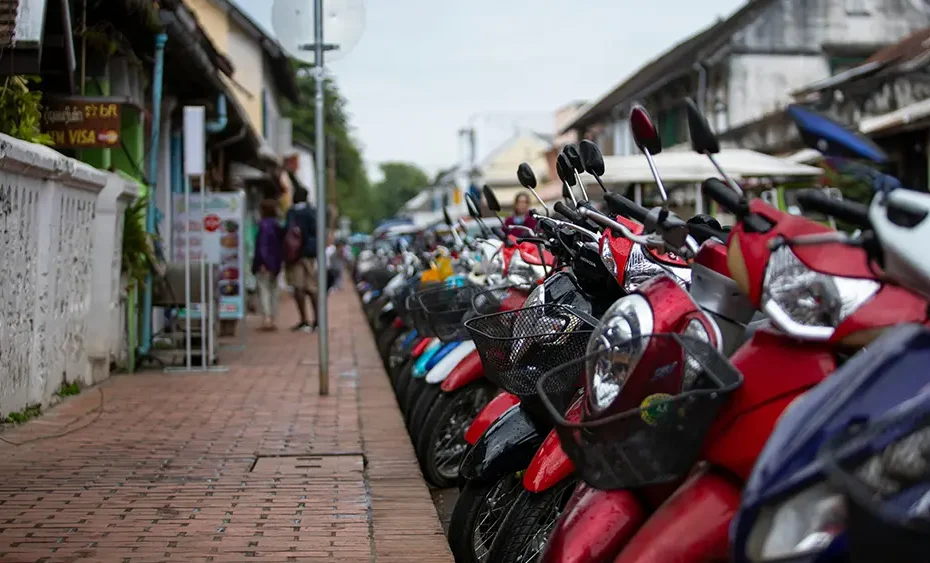
Renting a scooter in Chiang Mai can make the city much easier, but only if you choose the right shop, the right bike, and ride legally. This guide covers reliable rental places, real price ranges, common scooter types, passport rules, damage checks, licenses, checkpoints, helmets, and the small habits that keep you out of trouble.
Renting scooters in Chiang Mai: quick answer
For most visitors, the best scooter rental setup in Chiang Mai is a 125cc or 160cc automatic from a reputable shop that takes a passport copy and cash deposit, not your original passport. Good choice if you already ride at home, understand left-side traffic, and have the correct license or international driving permit for motorcycles.
Skip renting if this would be your first time on a scooter. Chiang Mai looks calmer than Bangkok, but it still has fast ring roads, sudden U-turns, red songthaews, dogs, potholes, tourists who stop without warning, and mountain roads that punish beginners. Use Grab, red trucks, walking, or bicycle days instead.
If you are staying in the Old City or Nimman for a short trip, you may not need a scooter every day. Rent only for the days you plan to visit places like Doi Suthep, Huay Tung Tao, Mae Rim, or cafe areas outside the moat. If you are still choosing your base, Nomadeer’s Chiang Mai boutique hotel guide can help you compare practical areas before you decide.
- Best overall rental name to check first: Mango Bikes, also known as Mango Scooter Rental
- Best for transparent terms and route support: Cat Motors
- Best long-running Old City option: Mr Mechanic
- Best simple budget option to compare: Bamboo Bikes
- Best for route-focused riders: Rider’s Corner
- Best for Chiang Mai to Pai logistics: Aya Service
Best scooter rental shops in Chiang Mai
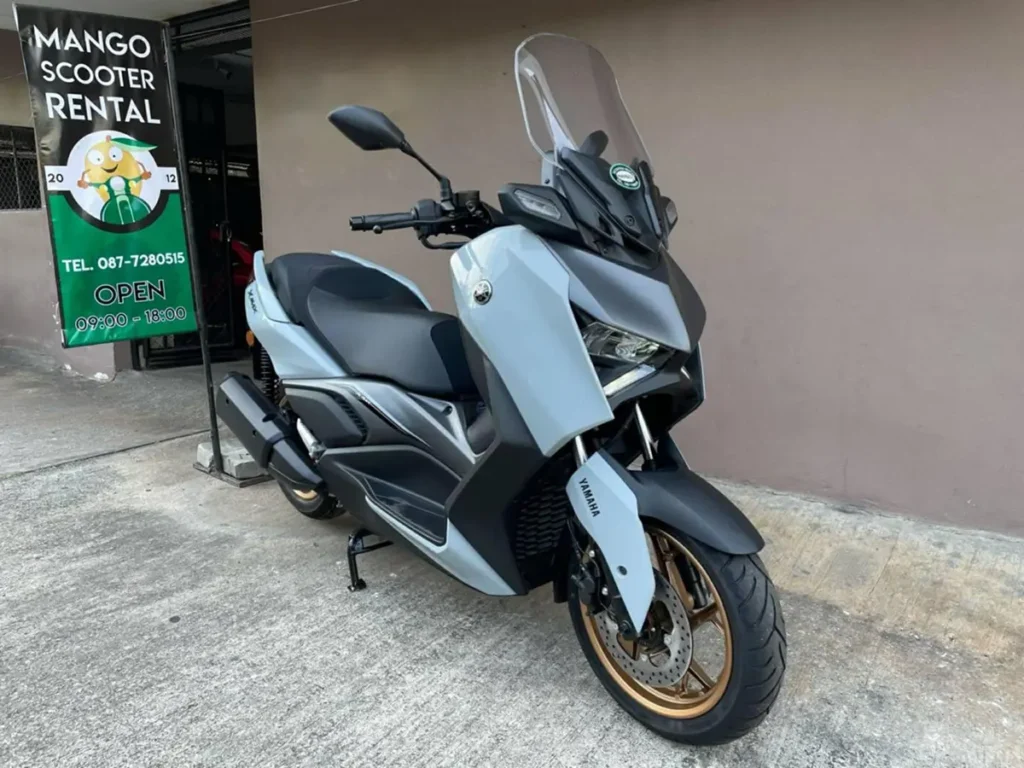
Mango Bikes is the name that comes up most often in English traveler discussions, especially for people who want a reliable scooter without passport drama. It is not always the cheapest, and popular models can sell out in high season, but it has a strong reputation for fair treatment, maintained bikes, and simple deposits. This is our go-to rental place when we’re in town.
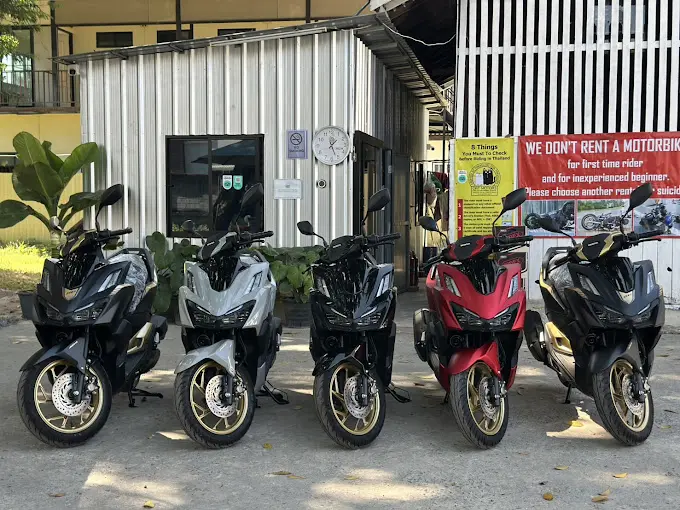
Cat Motors is another top choice, especially if you want clear online pricing, no passport deposit, helmets, phone holders, and support for longer northern routes. It is a good choice for riders planning Doi Suthep, Chiang Rai, Pai, or the Mae Hong Son Loop, not just short Old City errands. They have stated clearly with a big red sign, for over 7 years, that they do not rent to first time riders.
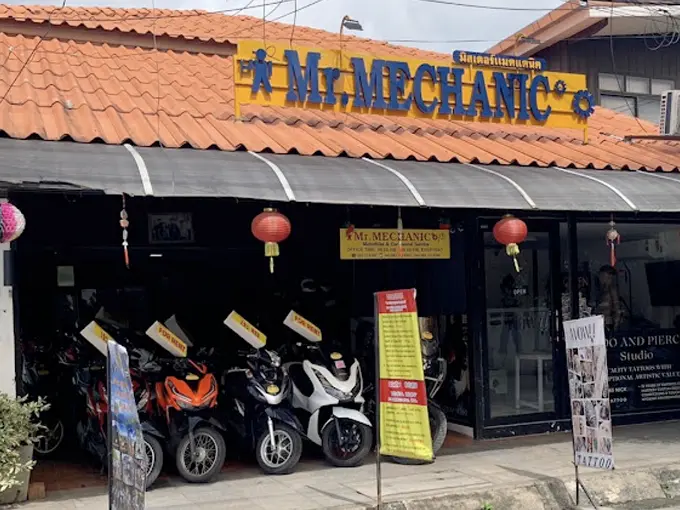
Mr Mechanic is a long-running Chiang Mai rental shop with multiple city locations and a wide fleet. It is convenient if you are staying near the Old City and want a straightforward rental from a shop that has been around for years. Prices can be higher than the cheapest small shops, but convenience and fleet size are the draw.
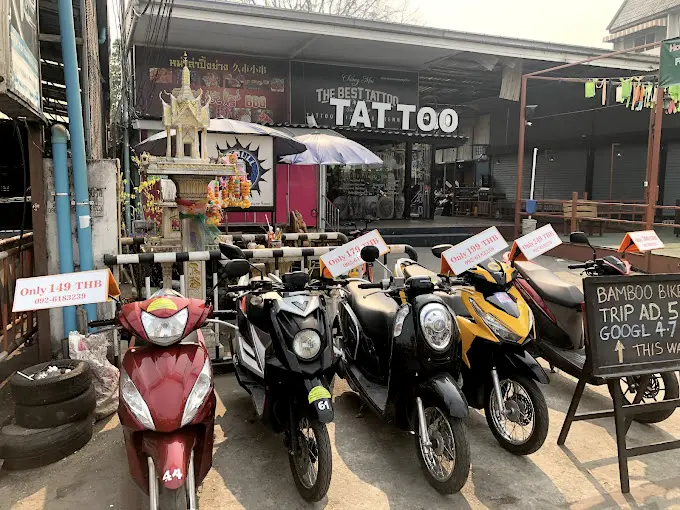
Bamboo Bikes is worth checking if you want a simple, lower-cost city scooter and you are not planning mountain routes. It is better for short city use than ambitious long rides. Always check the brakes, tires, lights, and contract terms yourself.
Rider’s Corner is useful for riders who care about route advice, online booking, and a more organized rental process. It is a stronger fit for people comparing Click, PCX, ADV, and bigger scooters than for someone chasing the absolute cheapest 125cc bike.
Aya Service is more specific. It is useful if your plan involves Chiang Mai to Pai, one-way logistics, or luggage transport. For normal Chiang Mai city riding, Mango Bikes, Cat Motors, Mr Mechanic, Bamboo Bikes, or Rider’s Corner are usually better first checks.
Do not rent only because a scooter is parked outside a massage shop, hostel desk, tour counter, or tourist street storefront. Some are fine for a quick inner-city ride, but many have weaker maintenance, vague contracts, and less support if the bike has a problem. A dedicated rental shop is usually a better bet.
We are also not recommending a frequently discussed Huay Kaew Road rental shop whose name rhymes with Kicky. The safer rule is simple: before renting anywhere, open Google reviews, sort by lowest rating, and look for patterns. One angry review does not prove much. Repeated complaints about passports, damage charges, aggressive staff, or surprise fees are enough reason to walk away.
Scooter rental prices in Chiang Mai and which bike to choose
Chiang Mai scooter rental prices depend on the bike, age, season, rental length, and shop quality. A cheap old 110cc or 125cc city scooter can be much less than a new PCX, Nmax, ADV, or Forza. Weekly and monthly prices are usually much better than daily prices.
- Basic 110cc to 125cc scooter (Scoopy, Mio): Often around 200 to 350 THB per day, 1,200 to 1,800 THB per week, and 3,000 to 5,500 THB per month.
- Honda Click 125 or 160: Often around 300 to 600 THB per day, depending on engine size, model year, and shop.
- Yamaha Aerox 155: Often around 400 to 600 THB per day. Good for stronger acceleration, but not always the most relaxed ride.
- Honda PCX 150 or 160 and Yamaha Nmax 155: Often around 450 to 700 THB per day. Better comfort, storage, and stability for two people.
- Honda ADV 160: Often around 500 to 800 THB per day. Useful for rougher roads and longer day trips.
- Honda Forza, Yamaha Xmax, ADV 350, and similar maxi scooters: Often around 800 to 1,200 THB per day. Comfortable on longer rides, but heavy in city traffic.
- Manual 150cc to 300cc bikes: Often around 400 to 1,200 THB per day. Only worth it if you already ride manual motorcycles.
Here is the simple version by bike type:
- Yamaha Mio, Fino, GT, Fazzio, Grand Filano: Light, easy, and usually cheaper. Good for Old City, Nimman, food runs, coworking commutes, and short day rides. Not ideal for two heavy riders or mountain roads.
- Honda Scoopy or Giorno: Similar city role to the Yamaha retro scooters. Good for short trips and relaxed riding. Choose only if the brakes and tires feel good.
- Honda Click 125: The classic Chiang Mai all-rounder. Light enough for city traffic, strong enough for most solo riders, and easy to park.
- Honda Click 160: Better if you want more power, especially for Doi Suthep, outer ring roads, or two-up riding. Still manageable in the city.
- Honda Wave: A semi-automatic local workhorse. Cheap and durable, but not the best first rental if you have only used fully automatic scooters.
- Yamaha Aerox 155: Sportier and quicker. Good for confident riders who like a firmer feel. The seating position is less relaxed than a PCX or Nmax.
- Honda PCX 160 or Yamaha Nmax 155: Comfortable, stable, and better for two people. Good choice for longer days, but wider and heavier in traffic.
- Honda ADV 160: Worth it if you want more suspension comfort, a slightly tougher feel, and better confidence on rougher side roads.
- Honda Forza 300 or 350, Yamaha Xmax, ADV 350: Good for long paved rides and experienced riders. Skip them for tight Old City errands unless you are used to heavier scooters.
- Honda CRF, CB, CBR, XSR, and similar manual bikes: Rent these only if you already ride manual motorcycles. Do not assume a scooter trip is the time to learn clutch control.
For most tourists, nomads and backpackers, a Honda Click 125 or 160 is the sweet spot. For two people, choose a PCX, Nmax, ADV 160, or similar. For Pai or the Mae Hong Son Loop, do not choose the cheapest old city scooter. Brakes, tires, suspension, and comfort matter more than saving 100 THB per day.
Renting scooters in Chiang Mai without passport problems
A shop will usually ask to see your passport. That is normal. A good shop can copy or scan it and take a cash deposit. Do not leave your original passport as security. It is not necessary, it puts you in a weak position if there is a dispute, and some government travel advisories specifically warn against using passports as rental collateral.
Damage disputes are the other big issue. Before leaving the shop, take photos of every scratch, crack, faded panel, mirror mark, lever scrape, loose indicator, worn tire, bent basket, exhaust mark, and old parking dent. Better yet, take a slow video walkaround. Start with the license plate, then circle the bike, zooming in on each mark. Film the fuel gauge and odometer too.
Most of the shops recommended here are not known for chasing travelers over tiny parking marks or normal wear, but never depend on goodwill alone. Good documentation protects both sides. It also tells the shop you are careful.
Before you ride away, check these things:
- Front and rear brakes: Test them slowly before entering traffic.
- Tires: Look for bald tread, cracks, nails, or very low pressure.
- Lights: Check headlight, brake light, turn signals, and horn.
- Mirrors: Make sure they stay in place and show more than your shoulders.
- Helmet: Ask for a better one if the first helmet is cracked, loose, or toy-like.
- Phone holder: Useful, but make sure it grips properly before riding.
- Registration copy: Ask what paperwork should stay with the bike.
- Emergency contact: Save the shop’s phone number before leaving.
- Fuel policy: Confirm whether you return the bike with the same fuel level.
Read the contract before signing. Look for rules about leaving Chiang Mai province, riding to Pai, dirt roads, insurance, theft, flat tires, late returns, and crash damage. Some shops allow northern routes. Some do not. If you plan to leave the city, say so clearly.
Licenses, checkpoints and helmets in Chiang Mai
Many scooter shops in Chiang Mai will ask for your passport but rarely ask for your motorcycle license. That does not mean you are legal. To ride legally in Thailand, you need a valid motorcycle license, usually with an international driving permit that covers motorcycles, or a valid Thai motorcycle license. A car license alone is not enough for a scooter.
Police checkpoints are common in Chiang Mai, especially around tourist routes, roads leading toward Doi Suthep, and busier city exits. Travelers often talk about small fines, sometimes in the 200 to 1,000 THB range, but the fine is not the real risk. The real risk is being unlicensed after an accident, having insurance problems, or getting stuck in a legal situation in a foreign country.
If you are staying long term, ask your embassy or consulate about certifying or translating your home license, then check with the Department of Land Transport about converting it to a Thai license. Requirements can depend on your visa, residence proof, license language, medical certificate, and current DLT rules. For a broader official safety overview, check the official travel advice for Thailand.
Wear a helmet every time. Your passenger should wear one too. The free rental helmet is often a thin open-face helmet that barely fits. It is better than nothing, but a full-face helmet or at least a helmet that protects your chin is much smarter. If you still think that is dramatic, visit a hospital emergency room late on a Saturday night and imagine joining the dental queue.
Do not ride drunk. Do not ride tired after a long bus or flight. Do not ride in heavy rain if you are new to Thai roads. For longer stays and practical planning, Nomadeer’s digital nomad guides are a useful place to keep comparing the tradeoffs of living in Thailand and Southeast Asia.
Basic Chiang Mai scooter etiquette before you ride
This is the short version. We will cover Thai road rules and driving etiquette in a deeper guide later, but these basics matter from day one.
Thailand drives on the left. Keep left unless you are overtaking, turning, or avoiding a hazard. Do not sit in the fast lane on a small scooter. On the other hand, do not hug the gutter too closely, because drains, sand, parked cars, and opening doors can push you into trouble.
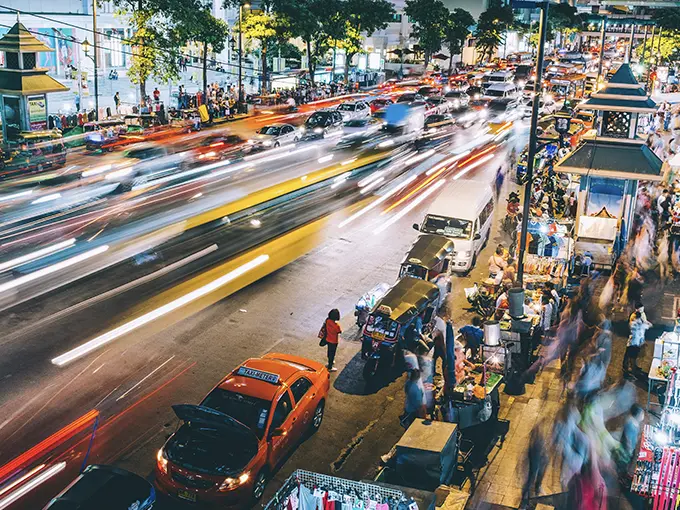
Expect movement from every direction. Motorbikes may come the wrong way along the shoulder. Cars may drift across lanes. Songthaews may stop suddenly for passengers. Dogs may sleep on warm roads. Tourists may look at Google Maps instead of the traffic. None of this is personal. Ride as if everyone might do the unexpected thing.
Use your mirrors, but also turn your head before changing lane. Signal early. Do not block shopfronts when parking. Do not park on red and white curbs or yellow and white curbs. Do not copy every local habit you see, because locals often understand the rhythm better than you do.
Doi Suthep is a good first mountain test only if you already ride well. Take it slowly, avoid leaning over sandy corners, and leave plenty of room downhill. Pai and the Mae Hong Son Loop are not beginner routes. They are beautiful, but the curves, vans, weather, gravel, and fatigue make them very different from a five-minute Nimman cafe run.
If the weather looks bad, wait. Rain makes painted road lines, metal drain covers, dusty corners, and steep hills much more slippery. Your scooter freedom is not worth a crash. For bigger route ideas beyond Chiang Mai, browse Nomadeer’s travel guides and build in rest days instead of trying to ride every kilometer tired.
FAQ
Do I need a motorcycle license to rent a scooter in Chiang Mai?
You need a motorcycle license to rent a scooter in Chiang Mai legally, even if many shops only ask to see your passport. For most visitors, that means carrying your home motorcycle license plus an international driving permit that includes motorcycles, or having a valid Thai motorcycle license.
How much does it cost to rent a scooter in Chiang Mai?
Renting a scooter in Chiang Mai usually costs about 200 to 350 THB per day for a basic 110cc to 125cc scooter, and about 400 to 700 THB per day for many 155cc to 160cc models. Monthly rentals often range from about 3,000 to 8,000 THB depending on the bike, shop, season, and condition.
What is the best scooter to rent in Chiang Mai?
The best scooter to rent in Chiang Mai for most visitors is a Honda Click 125 or Yamaha Mio 125. It is easy to ride, common, reliable, simple to park, and strong enough for normal city use and short day trips.
Should I leave my passport with a scooter rental shop in Chiang Mai?
You should not leave your passport with a scooter rental shop in Chiang Mai. A reputable shop can take a passport copy and cash deposit instead, which gives both sides security without putting your main travel document at risk.
Is it safe to rent a scooter in Chiang Mai?
Renting a scooter in Chiang Mai is only reasonably safe if you already know how to ride, wear a proper helmet, avoid alcohol, ride defensively, and have the right license. If you are a beginner, Chiang Mai traffic is not a good place to learn.
Can I ride a rented scooter from Chiang Mai to Pai?
You can ride a rented scooter from Chiang Mai to Pai only if the rental shop allows it and you are already a confident rider. Choose at least a well-maintained 125cc bike for solo riders, preferably a stronger 155cc or 160cc bike for comfort, and do not take the route lightly.